Looking for the best heating options for caravans and mobile homes? This guide explains gas, electric, diesel and renewable choices, along with insulation, safety and winter preparation. The right heating system can keep a caravan or mobile home comfortable year-round, protect pipes and furniture, and reduce the risk of costly damage.
Keeping a caravan, static caravan or mobile home warm is important for comfort, safety and the long-term life of the property. The best heating system depends on several factors, including the size of the space, the available power supply, the local weather, how often you stay there and how much you want to spend. A person who visits for a few weekends may need a different setup from people who live in a mobile home throughout the winter months.
Gas Heating Systems
Gas heating has long been a popular choice for caravans because it is reliable, quick and often available at an affordable price. Many caravanners use LPG bottles, which are easy to purchase and can produce steady warmth even on a remote site where there is no electric grid connection. Gas heaters can warm a small room quickly, and some modern units can be adjusted through a thermostat to maintain the desired temperature.
A gas heating system can operate without mains electricity, which makes sense for off-grid travel. However, gas must be treated with care. Any heater must be correctly fitted, with a suitable flue and clear vents that allow fresh air to enter and waste gases to leave. Never block a vent, even during cold weather, because poor airflow can be dangerous. Carbon monoxide alarms and smoke alarms are essential, and they should be tested regularly.
Installation, inspection and servicing must follow the manufacturer's guidelines. A qualified engineer should inspect the boiler, gas pipes, regulator and connections for wear or leaks. This is especially important in older models, where seals and fittings may need attention. Do not use a camping stove or cooker as a room heater. A stove is designed for cooking, not space heating, and using it for warmth can create a serious safety risk.
Gas may be the cheapest way to heat some caravans when compared with high electricity prices, but the answer depends on local fuel cost, how efficient the heater is and how long it needs to run. It is worth checking bottle prices and estimating how much gas you may use in a typical month before choosing this option.
Electric Heating Options
Electric heating is convenient, clean at the point of use and easy to control. A portable electric heater, oil-filled radiators, panel heaters and a compact fan heater can all work well when the caravan is connected to a reliable mains supply. For a touring caravan used mainly on a serviced site, this is often the easiest heating system to set up.
An electric heater can provide heat quickly, while oil-filled radiators tend to be quiet and continue to release warmth after the switch is turned off. A fan heater heats a small space faster, but the fan may create noise and move dust around the room. Portable space heaters must be kept away from curtains, the bed, furniture and any wet area such as a bathroom or washroom.
Before adding a high-power unit, check the electrical limit for the pitch and the caravan. Running several appliances at the same time may overload the supply. A kettle, water heaters, a fan heater and cooking equipment can use a lot of power together. It may be necessary to lower the heater settings or switch off another appliance. Always use equipment designed for indoor use and avoid cheap extension leads that are not suitable for the load.
Electricity can be expensive if the heating needs to run all day and overnight. However, a well-insulated caravan may only need short periods of heating to stay at a comfortable temperature. Timers and thermostats give better control and can prevent wasted energy. For short stays, electric heating is often an inexpensive and practical addition because there is no need to store fuel.
Blown Air and Central Heating Systems
Blown air heating uses a central heater and a network of ducts to move heated air around the caravan. Blown air systems are common in modern caravans because they can warm the entire living area, including the bedroom and washroom. The warm air leaves through outlets placed around the floor or walls, helping to reduce cold spots.
A blown air heating system works quickly, although it may create some fan noise. The system also needs clear vents and clean ducts. If outlets are covered by bags, bedding or furniture, some areas may stay cold and cold patches can appear. Regular cleaning helps the unit work efficiently and reduces dust.
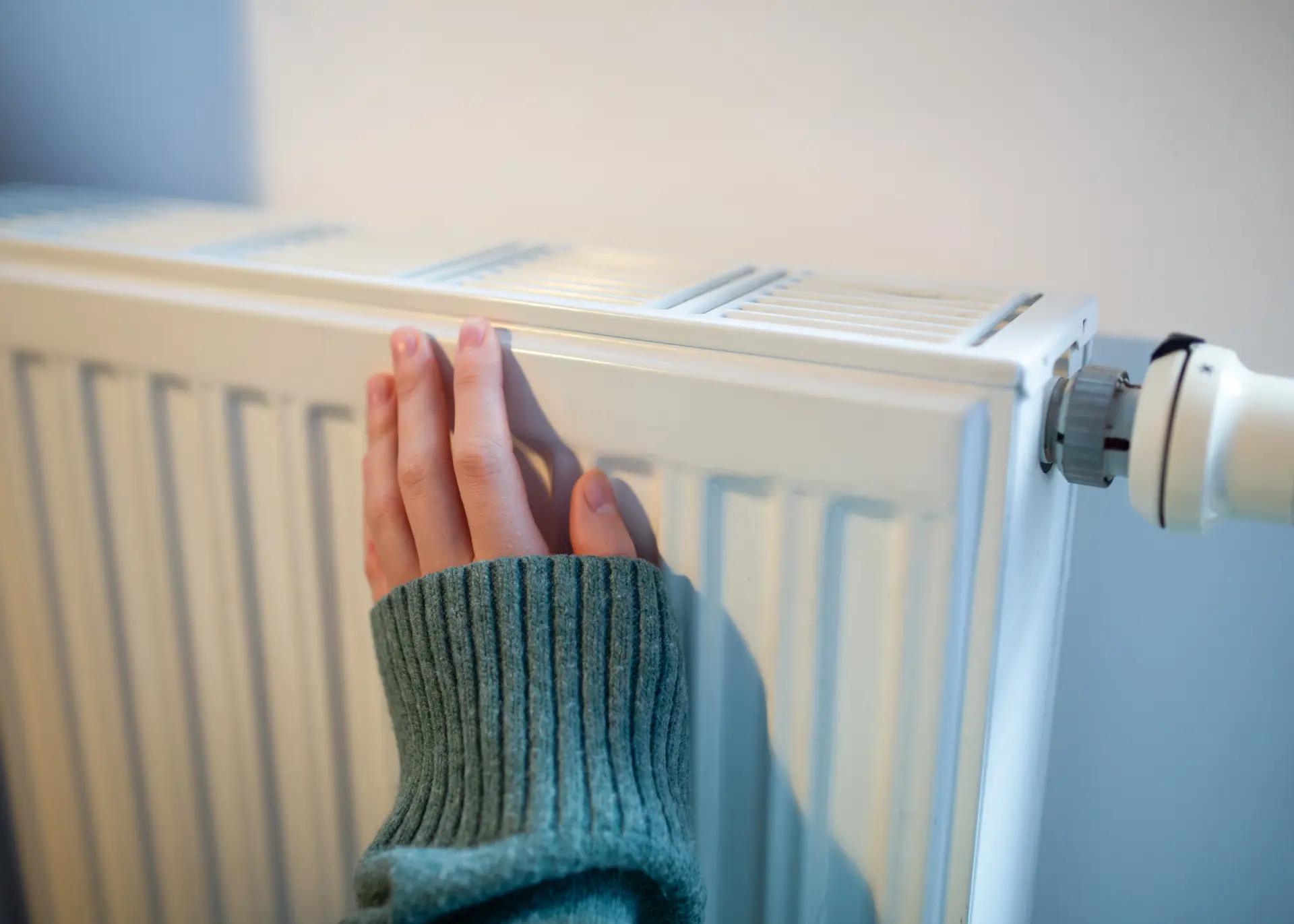
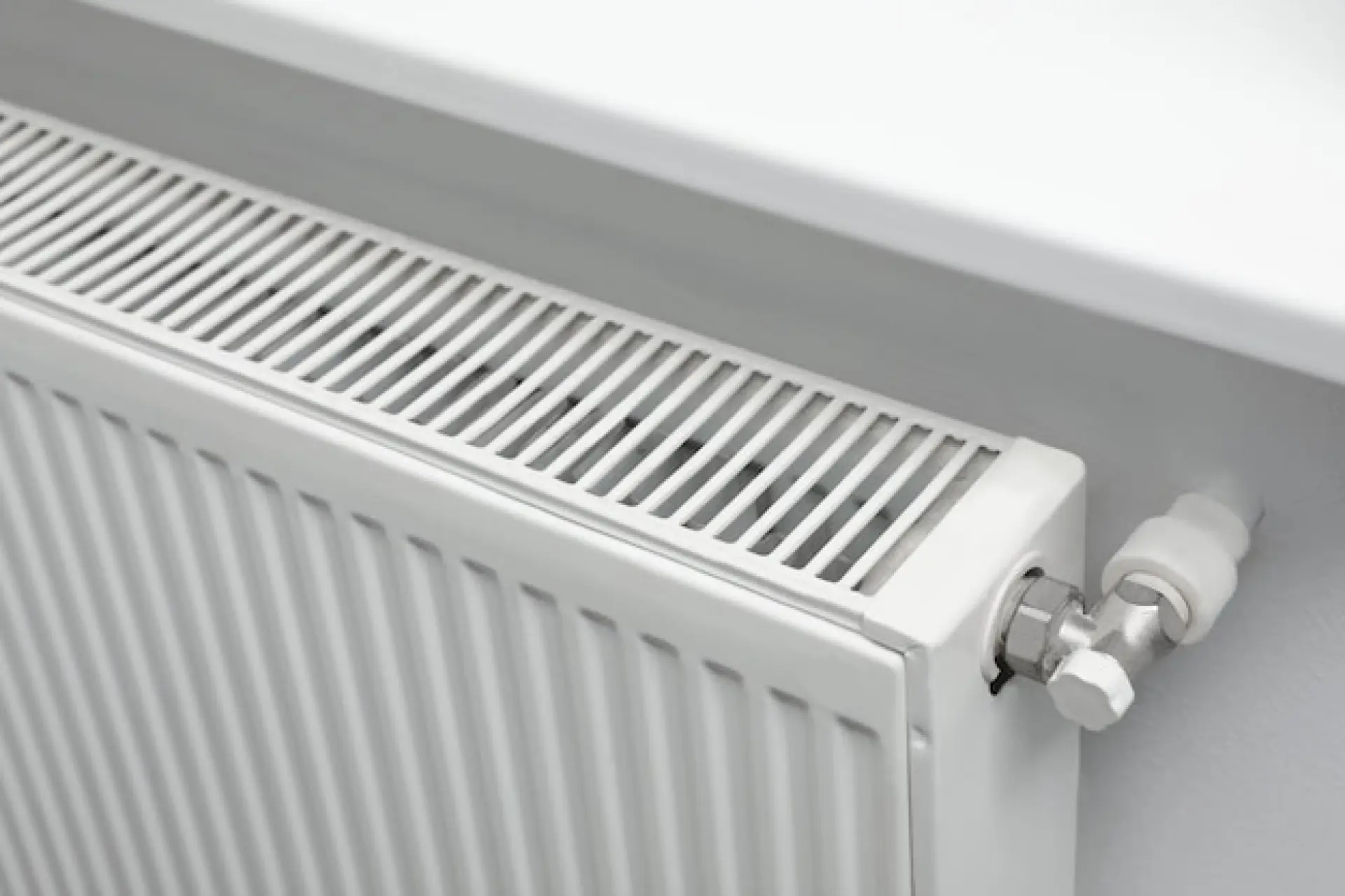
Compact central heating offers a more house-like level of comfort. It often uses radiators supplied by a boiler, with pipes carrying hot water around the home. This heating system takes longer to warm from cold compared with blown air, but the heat can feel steady and quiet. Radiators can also provide more even radiant heat, which many people find comfortable on cold nights.
Some systems combine space heating and hot water in one unit. A combi boiler can supply the taps, shower and radiators without requiring a large storage tank. In caravans, products such as the Truma Combi combine blown air with water heating, while the Alde system uses a wet central heating circuit with convectors. A Truma Combi is a popular choice where compact design and fast heat matter. The Alde system is often chosen where quiet operation, even heat and warm feet are higher priorities.
Diesel Heating
Diesel heaters are widely used in motorhomes and some caravans because diesel is easy to find and can support off-grid travel. A diesel heating system draws fuel from a separate tank or, in some vehicles, the main fuel supply. It then burns the fuel in a sealed chamber and moves heated air into the living space.
A diesel heater can be efficient and reliable, particularly in freezing temperatures. It can also work well in the Alps or other places where cold air and strong wind place more demand on the heating. However, installation quality matters. The exhaust, fuel lines, air intake and electrical connections must be installed correctly. Poor fitting can cause fumes, leaks, noise or unreliable operation.
Diesel units require servicing and may produce a little smell outside when starting. They also need battery power for the fan, pump and controls. For people who stay off-grid for long periods, the combination of diesel heat and a strong leisure battery can be beneficial. The purchase price may be higher than a basic electric heater, but the greater independence may justify the cost.
Underfloor Heating
Underfloor heating can be a great addition to a static caravan or mobile home, especially where the floor feels cold. Electric mats or cables are laid underneath suitable flooring, including some types of tile or vinyl. The system provides gentle radiant heat across a broad area, reducing cold patches and helping the room feel comfortable at a lower air temperature.
This type of heating system is particularly useful above cold ground because heat rises from the floor. It can provide warm feet and improve comfort in the bathroom, kitchen or main living room. However, underfloor heating is not always strong enough to be the only source of heat during freezing weather. It often works best as part of a combination system.
Installation should take place during a floor upgrade because the covering must usually be removed. The floor structure, insulation layer and electrical supply must be checked first. Good floor insulation underneath the heating prevents energy from escaping downwards. Without that extra layer, the system may cost more to run and take longer to reach the desired temperature.
Air Source Heat Pumps
Air source heat pumps move heat from the outside air into the home. Some units can also provide cooling in summer, making them useful year-round. In recent years, compact heat pump systems have become more popular for larger static caravan and mobile home installations.
A heat pump can provide efficient electric heating because it moves energy rather than creating all its heat directly. However, performance may fall as the outside temperature drops, and the unit may need support from another heater in freezing conditions. The outdoor section also requires space, a secure base and enough airflow.
Before choosing this option, check site rules, planning concerns, electrical capacity and the noise level of the outdoor unit. It is also important to confirm that the model is suitable for the local climate. For most mobile homes, professional design and installation are needed to ensure the system is correctly sized.
Wood-Burning Stoves and Other Renewable Options
A compact wood-burning stove can create strong warmth and a traditional feel, but it is not suitable for every caravan or site. The stove must stand on a heat-resistant base and have suitable clearances from walls, furniture and curtains. A safe flue must pass through the roof or wall, and the structure may need extra protection.
Wood heat can be effective, but storage, ash, smoke and site rules must be considered. A stove should never be installed without professional advice. Because a caravan is a small space, heat can build quickly, and an oversized stove can make the inside uncomfortably hot.
Solar panels can support low-power heating controls, pumps and fans, but standard panels and batteries rarely provide enough electricity for continuous space heaters in winter. Solar power makes more sense as part of a wider energy setup rather than as the only heating source. It can still reduce electricity use for light, controls and other small loads.
Insulation and Draught Control
Even the best heating cannot work well if warmth escapes through the roof, floor, walls, windows and doors. Improving insulation can reduce heating costs, shorten warm-up time and make the whole home more comfortable. Floor insulation is especially important where a static caravan sits above open ground and cold air can move underneath.
Older models may have thin walls and single glazing. Replacing windows can be expensive, but thermal curtains, removable secondary glazing film and breathable window coverings can help. Keep curtains closed in the evening, but open them during the day when sunlight can add free heat. Make sure fabric does not rest against a heater.
Draught excluders around doors and windows are a cheap and effective way to reduce draughts. Check each gap, lock and seal, and replace worn rubber where necessary. Skirting around the base of a static caravan can limit wind underneath, but it must include enough ventilation to prevent trapped moisture and rot.
Insulated awning panels can add a buffer beside the caravan, but an awning should not be treated as a fully heated room unless it is designed for that use. Heating an uninsulated awning wastes energy and may create condensation. Never place a gas heater in a closed awning because fumes can build up.
Condensation, Ventilation and Damp
Heating changes the amount of moisture that air can hold. Warm air can carry more moisture, but when it touches cold windows or walls, water may appear as condensation. If this is ignored, damp can lead to mould, smells, damaged furniture and rot.
Good ventilation is essential. Use roof vents, extractor fans and window vents as intended, even in winter. After cooking or using the shower, remove wet air quickly. A small dehumidifier can be helpful when the caravan is connected to electricity, but it should support ventilation rather than replace it.
Keep cupboard doors slightly open so air can move around cold external walls. Avoid pushing the bed or large furniture tightly against the wall. A small gap allows air to circulate and makes cold spots less likely to disappear into hidden damp problems. Dry wet clothing outside or in a ventilated area, and do not spray large amounts of water into the air when cleaning.
Protecting Water Systems in Winter
A heating system can protect the living area, but pipes and the water system may still freeze if they run through unheated spaces. Freezing water expands and can split pipes, taps, pumps and water heaters. The result may be leaks and serious damage when the water thaws.
If the caravan will remain in use, insulate exposed pipes and keep a low level of heating on during cold nights. Check that warm air can reach cupboards containing plumbing. Some central heating systems use antifreeze in a sealed circuit, but only the correct product should be added, and the manufacturer's instructions must be followed.
If the home will be left empty, drain the fresh water system fully. Open the taps, empty the water heater, and remove residual water from low points. Follow the model instructions because different units require different steps. Do not assume that turning off the main supply is enough.
Preparing for winter should also include inspecting seals, checking the roof, clearing vents and ensuring alarms work. This simple step can prevent damage and save money. It also gives peace of mind when the temperature falls below freezing.
Choosing the Right Heating System
Choosing the best heating system starts with how the caravan or mobile home will be used. For occasional stays on a serviced pitch, an electric heater may be the easiest option. For off-grid touring, gas heaters or diesel heaters may provide more freedom. For a static caravan used as a second home, central heating, underfloor heating or air source heat pumps may offer better comfort.
Think about the entire living area rather than one room. A powerful heater in the lounge may leave the bedroom, washroom or pipes cold. A well-designed system should distribute warmth evenly and prevent cold patches. It should also be easy to control, efficient to run and suitable for the available power or fuel.
Budget matters, but the cheapest purchase is not always the cheapest way over several years. A cheap heater that wastes energy may cost more in the long term. Compare installation cost, fuel cost, servicing, expected life and repair needs. It also makes sense to consider how easily parts can be replaced and whether a local team can maintain the system.
The ideal heating system should suit the property, the season and the person using it. A caravan used for a quick weekend break has different needs from a mobile home occupied every day. The best heating is the option that provides safe, reliable comfort without creating unnecessary worry or expense.
Planning a Purchase and Installation
Before making a purchase, write down your main questions and talk to a trusted installer. Ask for a clear quote by email so that you can compare the unit, fitting work, controls, warranty and future servicing. A good installer should explain which type of heating suits the home, rather than simply offering the most expensive model. Check reviews, confirm qualifications and make sure the work will meet the required standard.
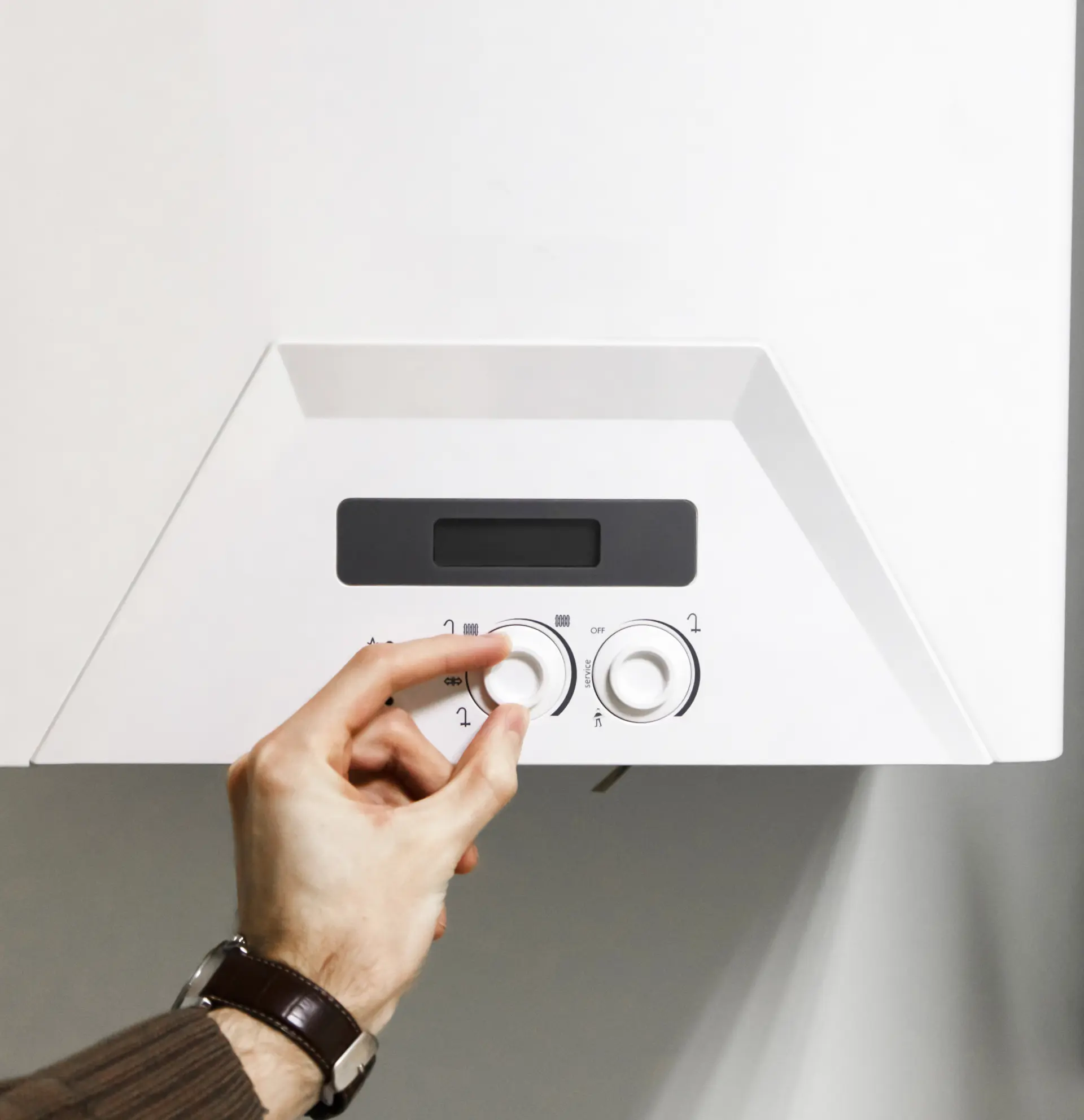
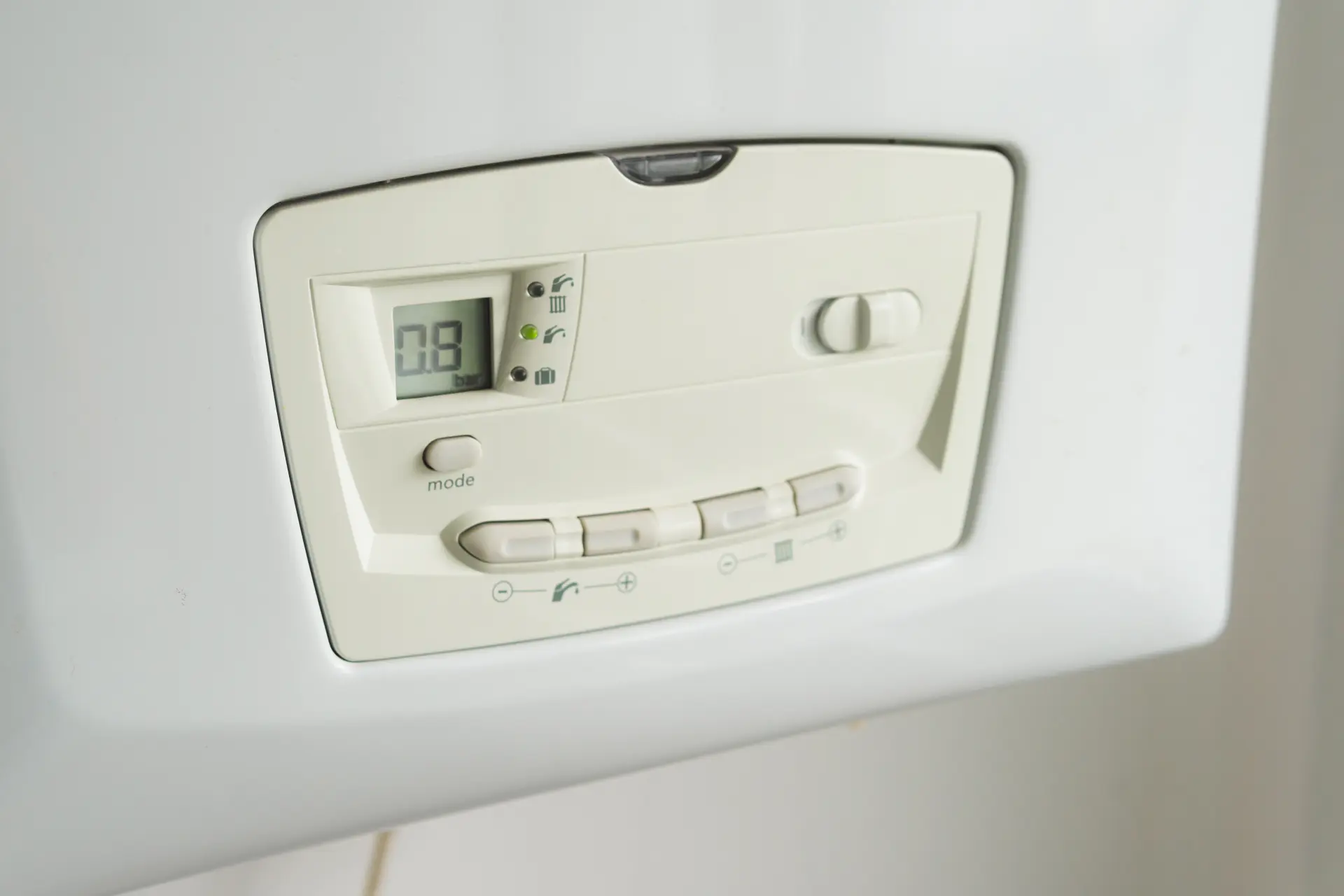
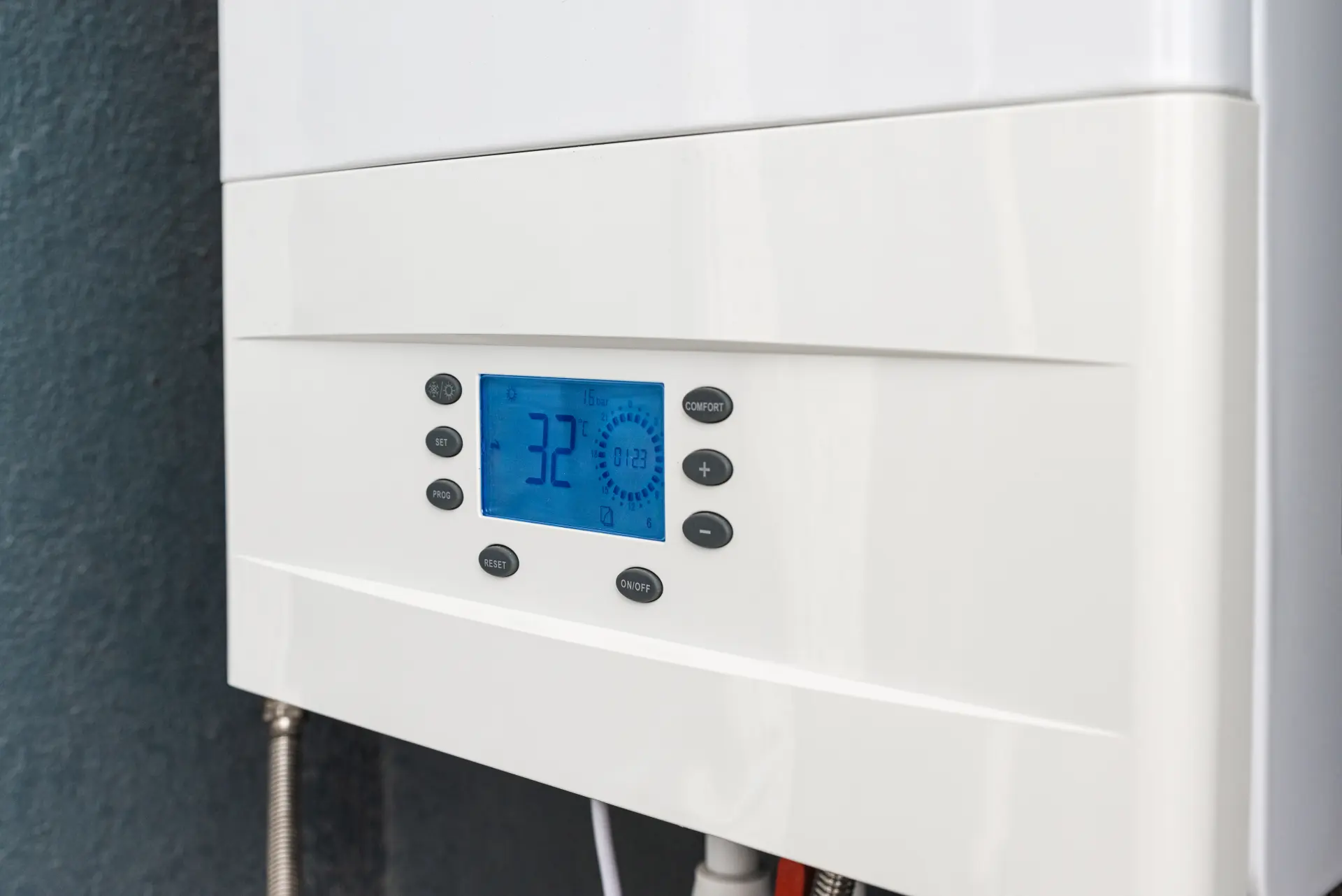
Consider where the heater will be fitted and how heat will move through the space. A cupboard may hide a compact unit, but it must still have safe access and ventilation. Check whether the control panel can be reached easily and whether the thermostat can be adjusted without getting out of bed. It is also helpful to find out how quickly the system responds. One model may warm a room within an hour, while another takes more time but provides steadier heat.
Think about the way you live at the moment and how that may change. You may use the caravan for one season now but spend longer there in future years. Paying more for an upgrade can be sensible when it reduces energy use, improves comfort and adds value. However, there is no reason to spend precious money on a large system that the property does not need.
When comparing options, look beyond the headline price. Ask how much power the unit uses, whether parts are easy to find and what regular testing will require. Some systems tend to need more attention than others. A simple, reliable heater may be perfect for occasional use, while a more advanced setup offers better control for a home occupied every day.
Everyday Heating Tips
Use the thermostat rather than repeatedly turning the heater on and off. Maintaining a steady, lower temperature can sometimes use less energy than allowing the interior to become very cold and then trying to heat it quickly. This will depend on the heating system, insulation and outside conditions, so monitor use and adjust the settings.
Keep internal doors open when you want heat to reach the rest of the home, but close them when heating one small room. Do not place bags or furniture over outlets. Before you head out for the day, decide whether the heating can be reduced, switched to frost protection or turned off safely. Never leave a portable heater running unless its instructions clearly allow it.
At the end of an evening, check that vents remain clear and that no fabric has moved close to a hot surface. In the morning, open curtains and allow fresh air inside for a short time. This helps moisture disappear and keeps the caravan feeling fresh without losing too much warmth.
The same approach makes sense when preparing for a long absence. Clean the unit, remove items that could block airflow, drain water where required and lock windows and doors. A final inspection can prevent small problems becoming expensive ones.
Understanding Controls and Heat Output
Heating controls can range from a basic switch to a digital panel or mobile connection. Whatever the design, learn what each setting means before cold weather arrives. Frost protection is not the same as full room heating, and an eco setting may reduce output to save energy.
Heat output must match the size of the space. A unit that is too small may run constantly and never make the room comfortable. A unit that is too large may create sharp changes in temperature. The right balance provides comfort, keeps energy use under control and avoids unnecessary wear.
The position of the thermostat also matters. It should not sit directly beside a heater, in sunlight or near an open door. These locations can lead to false readings. A well-positioned control gives the heating system a better sense of the actual room temperature.
Safe Use and Regular Maintenance
Every heater should be installed, operated and maintained according to the manufacturer's guidelines. Read the instructions before first use and keep them in a clear, easy-to-find place. Do not cover a heater, dry clothes on it or leave a portable unit close to the bed while you sleep.
Test smoke and carbon monoxide alarms, inspect cables and plugs, and check gas connections for damage. Keep vents clean and free from dust. Arrange servicing at the recommended interval and stop using any unit that produces unusual noise, smell or heat.
Portable space heaters should stand on a stable floor and should not be used where they may be knocked over. Keep children and pets away from hot surfaces. Do not leave a fan heater or stove running unattended overnight. These basic actions reduce risk and protect the home.
Frequently asked questions
There is no single answer for every caravan. Electric heating is easy on a serviced site, gas is useful away from mains power, and blown air heating provides fast heat across several areas. The best heating system is the one that suits the size, insulation, budget and travel pattern of the owner.
The cheapest way depends on local energy prices and how often the static caravan is used. Improving insulation, sealing draughts and heating only the space in use can reduce the amount you pay. In some cases, a small electric heater is inexpensive for short visits, while gas or an efficient central heating system may cost less for long winter stays.
A fixed heating system that has been correctly installed and serviced may be designed to run overnight at a low thermostat setting. Portable heaters require more caution. Follow the instructions, keep clear space around the heater and never use a stove for heating. Safety should come before comfort.
Close thermal curtains, use draught excluders, protect exposed pipes and maintain steady background heating. Check the floor, roof, walls, windows and doors for heat loss. In very cold weather, use a reliable main heating system with a suitable backup and make sure fuel or electricity will last through the night.
Underfloor heating can be worth adding during a floor upgrade, especially in a static caravan or mobile home with cold floors. It provides gentle warmth and can reduce cold spots, but it may not replace the main heater in severe winter weather.
Heating can help, but it must work with ventilation. Warm surfaces are less likely to collect moisture, yet everyday activities still add water to the air. Open vents, use extractor fans and consider a dehumidifier where beneficial.
Background heating can protect a caravan during a short cold period, but it is not a complete winter plan. Power cuts, empty gas bottles or a failed heater can still lead to freezing. Drain vulnerable water systems when needed and follow the manufacturer's instructions.
No. A larger heater may use more energy, create uncomfortable heat and place extra demand on the electrical supply. The correct size depends on the floor area, wall and roof insulation, window type and local weather.
Start with the caravan or heating manufacturer, then speak to a qualified local installer. The site owner may also have rules about flues, fuel storage, outdoor units and wood stoves. Clear advice from people who understand the property is more useful than relying on a general claim found online.
The right heating system can transform a caravan or mobile home from a seasonal space into a comfortable home for much of the year. Gas, electric, diesel, blown air, central heating, underfloor heating and heat pumps each have clear pros and limits.
Take time to understand the property, compare running costs and installation needs, and follow all safety guidance. Adding insulation, protecting pipes and maintaining the heater are just as important as choosing the unit itself. With careful planning, the home can stay warm, efficient and protected through cold nights, winter weather and many years of use.
Need expert caravan or mobile home heating services in Swansea, Llanelli or Bridgend? Our qualified engineers at Owl Plumbing And Heating provide safe, efficient installations, repairs, and servicing to keep your space warm and comfortable all year round.