Choosing the right oil boiler can make a big difference to your home’s comfort, heating, and hot water supply. This article explains the key points to consider, such as the boiler's type, size, efficiency, tank placement, servicing, safety standards, and long-term value.
Understand Your Property Size and Heating Needs
A boiler that's too small can struggle to heat every room in your home properly, especially during colder months, and a boiler that's too big can use more fuel than it needs and run less efficiently. The size of your property affects how much heat is required. A small flat or bungalow will usually need less heating power than a large detached house with several bedrooms, bathrooms, and living spaces.
The number of radiators, hot water outlets, and people living in the property can also make a difference. For example, a busy family home with two bathrooms may need a boiler that can supply more hot water than a smaller home with just one person. By understanding your heating needs, you can choose an oil boiler that suits your home, fuel use, and daily routine.
Know the Different Types of Oil Boilers
The main types of boilers are combi oil boilers, system oil boilers, and regular oil boilers, and each one works differently, so it's important to understand which option is the most suitable for your home.
A combi oil boiler provides heating and hot water from one compact unit, and it doesn't need a separate hot water cylinder, which makes it a good choice for smaller homes with limited space. However, it may not be the best option for larger homes where several taps or showers are used at the same time.
A system oil boiler does come with a hot water cylinder, but it doesn't normally need a cold water tank. This can make it suitable for medium to large homes with a higher hot water demand. A regular oil boiler is often used in older properties with traditional heating systems, and it usually comes with both a hot water cylinder and a cold water storage tank.
Choosing Between Combi, System, and Regular Boilers
A combi oil boiler provides heating and hot water from one singular unit, making it a practical choice for smaller homes.
One of the main benefits of a combi oil boiler is that it can free up your storage space since it doesn't need a cylinder or tank. It can also make your heating system simpler to use, since there are fewer parts to consider.
A system oil boiler does need a hot water cylinder, but it doesn't need a cold water tank. This makes it suitable for homes with more than one bathroom or homes with a higher hot water demand.
System oil boilers can also supply stored hot water to different outlets more easily than a combi boiler. However, the main downside is that it needs extra space for a cylinder, and once the stored hot water is used, it must heat up again.
A regular oil boiler, also known as a conventional boiler, is often used in older homes with traditional heating systems. It usually needs a hot water cylinder and a cold water storage tank, making it a good option for larger homes with older pipework and several bathrooms. However, it takes up more space and may be less suitable for homes with limited storage.
Check the Boiler Output and Capacity
The boiler's output tells you how much heat the boiler can produce, and it's usually measured in kilowatts. If the boiler's output is too low, it can struggle to heat your home properly or provide enough hot water when you need it. If the output is too high, the boiler can use more oil than necessary and cost more to run.
Your property's size, number of radiators, level of insulation, and hot water demand all affect the output you need. A small, well-insulated home will usually need a lower output boiler compared to a large, older property with several bathrooms. Homes with poor insulation, draughts, or large open-plan spaces may need more heating power to stay warm.
Additionally, a household with one bathroom won't need the same amount of hot water as a family home with multiple bathrooms. If several people use showers, taps, or baths at the same time, the boiler needs to be able to cope. By checking the boiler's output and capacity before you buy, you can avoid choosing a boiler that's unsuitable for your home.
Consider Energy Efficiency Ratings
Oil boilers are usually given an efficiency rating that shows how well they can turn fuel into heat. A more efficient boiler wastes less energy, which can help lower your running costs over time. Although a boiler with a higher efficiency rating can be more expensive upfront, it can often reduce your oil usage in the long term.
An oil boiler can heat rooms more evenly and supply more reliable hot water when it's the right size for your property. It can also work better with modern controls, such as timers, thermostats, and heating zones, which can help you manage when and where heat is used.
Think About Hot Water Demand
Thinking about your hot water demand can help you choose the right oil boiler for your property. Hot water usage can vary from one home to another, so it's important to choose a boiler that matches your daily needs. A home with one person and one bathroom will usually need less hot water than a family home with several bathrooms.
Your hot water demand depends on how many people live in the home, how often the baths and showers are used, and whether the taps are needed at the same time. For example, a busy household may need hot water for showers, washing up, and cleaning all at the same time, and if the boiler can't cope, your hot water supply may become weak, slow, or inconsistent.
Indoor vs Outdoor Oil Boiler Options
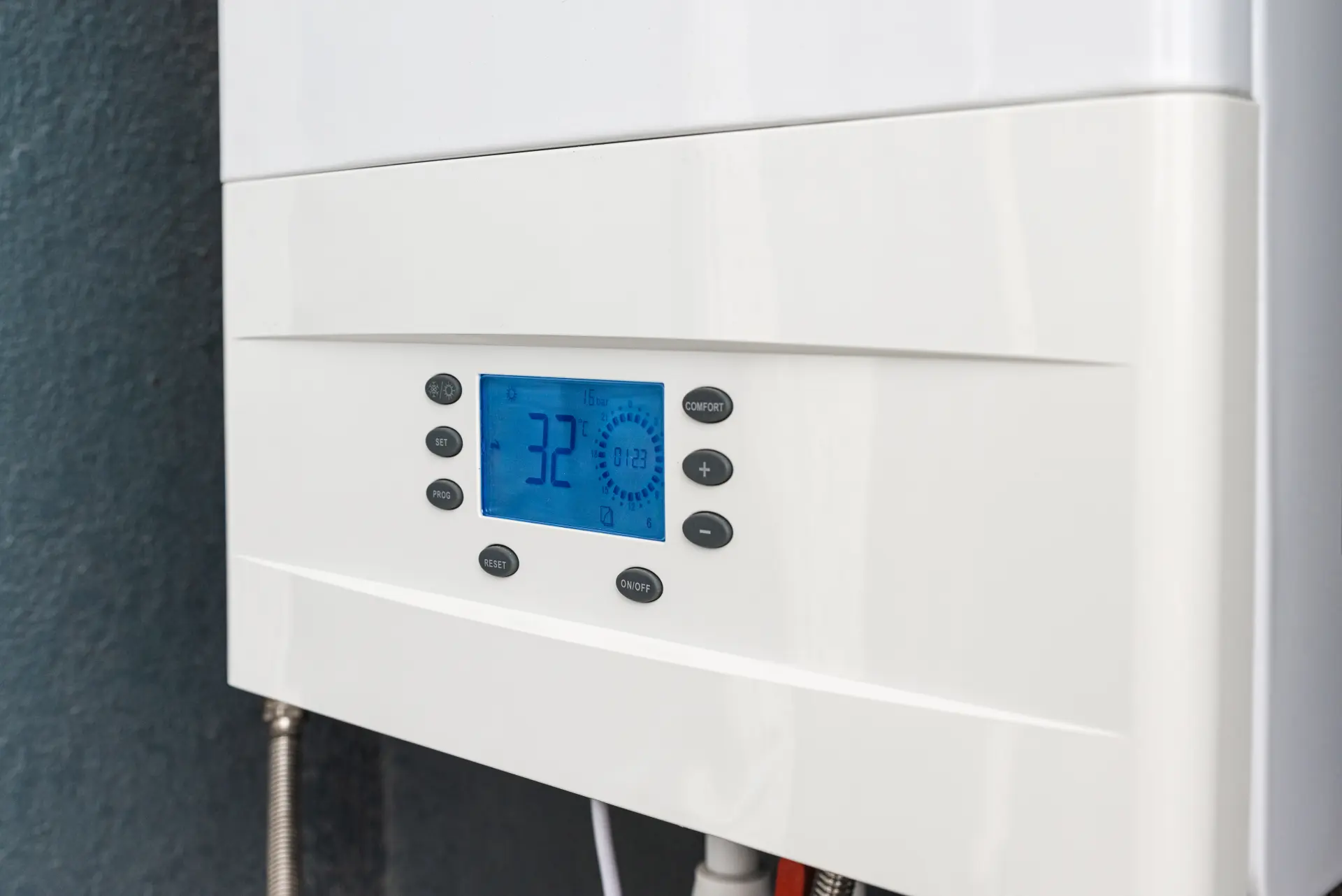
Oil boilers can often be installed either inside the home or in an external casing outside the property.
An indoor oil boiler is usually placed in the kitchen, utility room, garage, or a cupboard, making it easy to access, check, and service. However, it does take up indoor space, which can be a problem in smaller homes.
An outdoor oil boiler is fitted outside in a weatherproof casing, which can help free up space inside your property and reduce any indoor noise.
It can be a good choice for homes with limited space or for owners who want their boiler kept away from their living areas. However, it must be placed in a suitable location where it can be safely accessed and protected from weather damage.
Space Needed for the Boiler and Oil Tank
Oil boilers need room for both the boiler itself and a safe place to store the heating oil. The boiler may be fitted indoors, such as in a kitchen, utility room, garage, or cupboard, or it can be fitted outdoors in a weatherproof casing. The right choice depends on the layout of your property and how much usable space you have. There must also be enough room around the boiler for safe access, repairs, and regular servicing.
The oil tank also needs to be placed on a strong, level base and positioned safely away from certain boundaries, buildings, openings, and heat sources. The tank should also be easy to reach for oil deliveries and routine checks. If the tank is difficult to access, it can make deliveries and maintenance more awkward.
Fuel Storage and Tank Placement
An oil heating system needs a safe, practical place to store fuel, and unlike mains gas, heating oil is kept in a tank on your property, so the tank's position must work well with the boiler, the property's layout, and delivery access. The oil tank needs to sit on a strong, level base that can support its weight when it's full, and it should also be placed where it can be inspected, maintained, and filled safely.
If the tank is too far away from the delivery point, blocked by gates, or is hard to reach, oil deliveries may become more and more difficult. The distance between the tank and the boiler can also affect your pipework and installation costs, too. By thinking about the fuel storage early on, you can choose an oil boiler setup that's safe, efficient, and suitable for your home.
Running Costs and Long-Term Value
The cheapest boiler isn't always the best choice, since it may cost more to run, need more repairs, or use more heating oil over time. Looking at the full cost can help you make a better decision. Your running costs are affected by the boiler’s efficiency, size, controls, and how well it matches your home. A boiler with a higher efficiency rating can turn more fuel into usable heat, which can reduce your oil use, whereas a boiler that's too small can work too hard and end up wasting fuel.
Installation Requirements and Practical Considerations
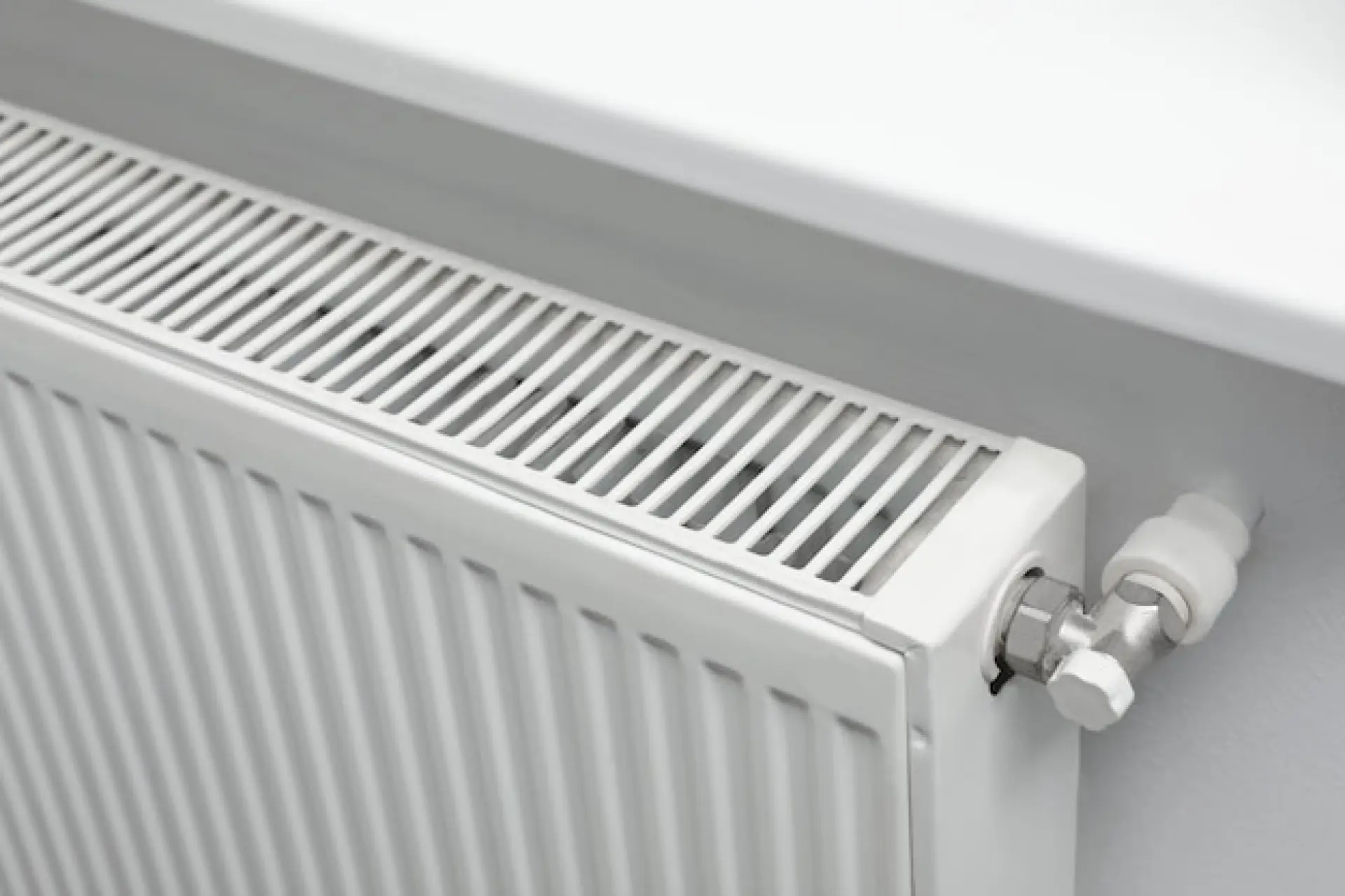
Thinking about the installation requirements and practical considerations can help you choose the right oil boiler for your property. An oil boiler must be fitted in a safe and suitable place, so the layout of your home can affect which type of boiler is best.
Some boilers are designed for indoor use, while others can be placed outside in a weatherproof casing. The pipework, flues, drainage, and the oil supply line also need to be planned out carefully, and if major changes are needed, the installation may become more expensive or take longer to complete.
Practical issues, such as noise, access for engineers, delivery access for oil, and protection from bad weather, should also be considered. These details can affect how easy the system is to use and maintain in the long run. By thinking about these requirements early on, you can avoid choosing a boiler that's difficult, expensive, or unsuitable.
Maintenance and Servicing Needs
An oil boiler should be checked regularly in order for it to keep working safely, efficiently, and reliably. Some models can be easier to service than others, so it's worth thinking about this before choosing a new boiler.
A boiler that's easy to access can make servicing quicker and simpler, and if the boiler is placed in a tight cupboard, an awkward corner, or a hard-to-reach outdoor area, an engineer may find it more difficult to inspect and repair it. This can sometimes increase the labour costs or make any future maintenance less convenient.
Boiler Brand Reputation and Warranty Cover
A well-known brand with a strong record for quality can give you more confidence that the boiler has been designed to perform well over time. This is important because an oil boiler is a long-term investment, not just a one-off purchase.
A brand's reputation can also give you an idea of its product's reliability, build quality, and customer support. A trusted manufacturer is more likely to have replacement parts available and approved engineers who understand the system, which can make future repairs and servicing easier if a fault develops.
A longer warranty can also protect you against certain repair costs if parts begin to fail within the covered period. However, it's important to read the warranty terms carefully since some warranties only remain valid if the boiler is installed by a qualified engineer and serviced every year.
Meeting Current Safety and Building Standards
Choosing a boiler that meets the right standards can give you peace of mind and confidence that the boiler's suitable for modern usage. Most safety standards cover the important areas such as the flue's positioning, ventilation, fuel supply, electrical connections, and safe access for servicing. The boiler must also be placed in a suitable location, and if the system isn't fitted properly, it can lead to poor performance issues, leaks, fumes, or other safety concerns.
Building standards can also affect the oil tank and pipework. The tank must be placed on a stable base and positioned away from certain buildings, boundaries, drains, and heat sources. This helps lower fire risk and reduces the risk of the oil spilling and causing damage. Thinking about these standards early on can prevent you from choosing a boiler or tank that's unsuitable for your property.
Getting the Right Boiler for Your Budget
It can be tempting to pick the cheapest model, but the lowest upfront price may not always offer the best value. A cheaper boiler may have lower efficiency, a shorter warranty, or higher repair costs over time.
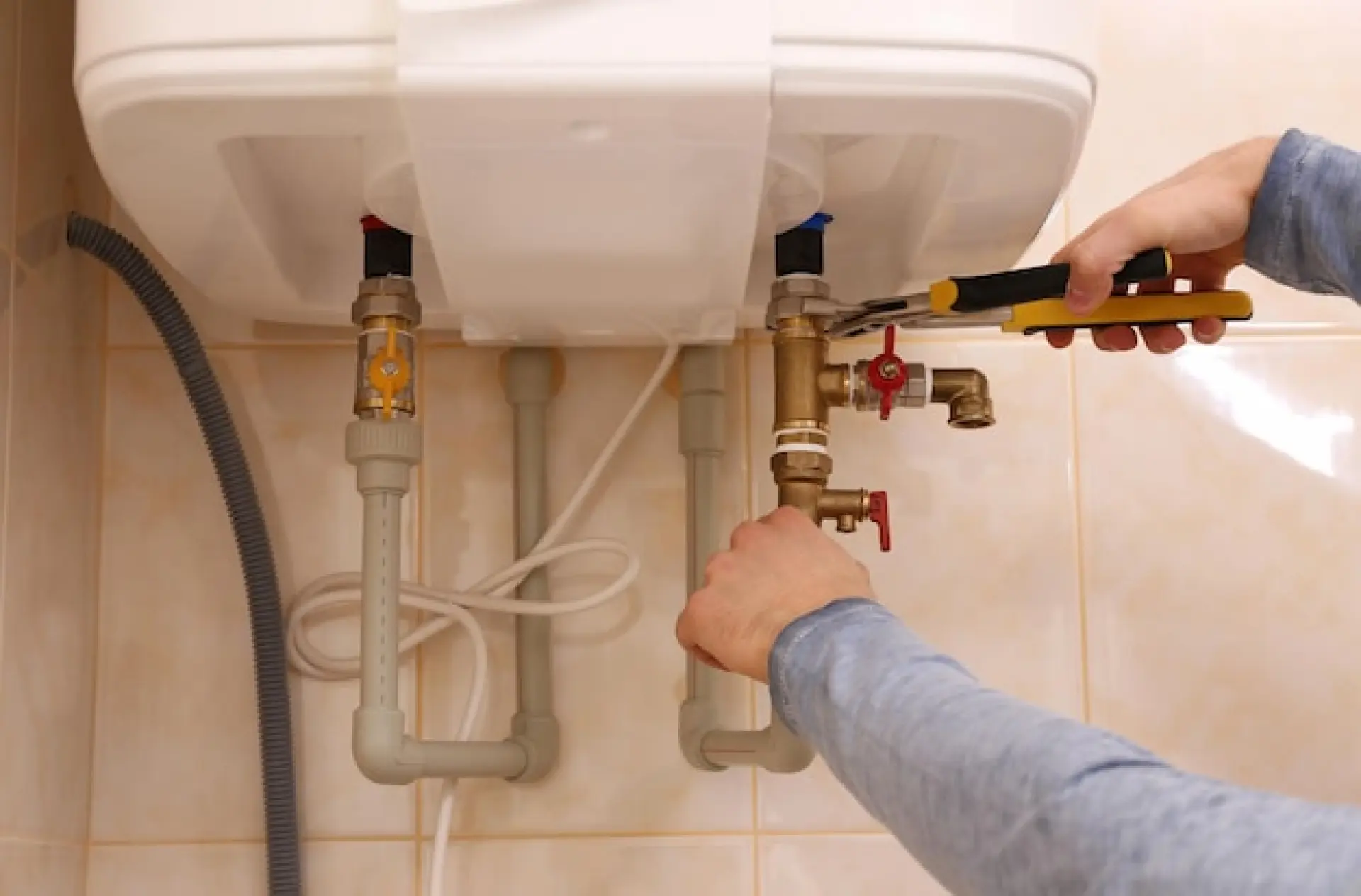
Your budget should include more than just the cost of the boiler itself. You also need to think about the installation, pipework, flue changes, oil tank work, servicing, and the possible disposal of the old boiler. These extra costs can affect the total price, so it's useful to look at the full amount before making a decision.
It's also important to choose a boiler that matches your home, not just your budget. A boiler that's too small can struggle to cope, while one that's too big can waste fuel. By balancing the boiler's price, performance, efficiency, warranty, and installation needs, you can choose an oil boiler that's affordable, practical, and suitable for your property.
At Owl Plumbing And Heating, we help homeowners keep their heating and hot water systems safe, reliable, and efficient. We can replace your old boilers, install new systems, and advise you on the most suitable boiler options for your home. Get in touch for oil boiler installations in Swansea, Llanelli, Bridgend.