Choosing a combi or system boiler for a two-bathroom home starts with how you use hot water. A combi may suit bathrooms used at different times; a cylinder-based system can suit overlapping demand. Here is how to make that decision before committing to an installation.
Combi or System Boiler Choices in Swansea
Count the hot outlets you expect to use together, rather than treating two bathrooms as an automatic instruction to buy a particular boiler. A morning shower followed by a bath in the evening creates a different demand from two showers running while somebody washes up.
Write down the busiest realistic ten minutes in your household. Include an occasional guest if that matters, but separate everyday needs from rare events. Bring this routine to the survey so the installer can test a proposed system against something specific.
For a worked planning example, imagine a household where one person needs a shower at 07:00 and another at 07:10. If those appointments can stay separate, the installation need not be designed as though both showers always run together. If school and work routines make overlap unavoidable, say so. The purpose of this exercise is to establish the service the system must provide, rather than to make the family change its routine after installation.
Measure Simultaneous Hot Water Demand
A boiler's advertised hot-water delivery is tied to a temperature rise. The colder the incoming mains water, the more heat is needed for the same outlet temperature. Comparing figures at different temperature rises can therefore give a misleading impression of performance.
As a current manufacturer example, Vaillant's domestic brochure lists ecoTEC plus combi hot-water flows from 10.6 to 16.3 litres per minute at a 35°C rise across four models. These are product figures, not a promise for your house. Two outlets sharing that capacity cannot each receive the whole output. Ask for the proposed model's actual rating and a simultaneous-use assessment.
Source: Vaillant domestic range brochure.
Suppose two shower outlets are each intended to deliver eight litres of mixed water per minute. Their combined mixed demand is sixteen litres per minute, but that is not automatically sixteen litres of boiler hot water: the cold-water contribution depends on temperatures. This is why adding shower-head labels together is only the beginning. Ask the installer to translate the mixed outlet requirement into the actual hot-water load and show how the chosen system meets it in winter.
Check the Water Supply Before Choosing
A powerful boiler cannot create an unlimited incoming water supply. Ask the installer to measure flow and pressure while water is running, and explain how other outlets affect those readings. A static pressure reading with every tap closed does not show the whole picture.
Test the likely busy-time combination where possible. If the incoming supply is the restriction, changing from a combi to an unvented cylinder alone may not solve it: an unvented system also depends on an adequate mains supply. Any supply improvement needs to be identified and priced before you order the boiler.
When a Combi Is a Practical Choice
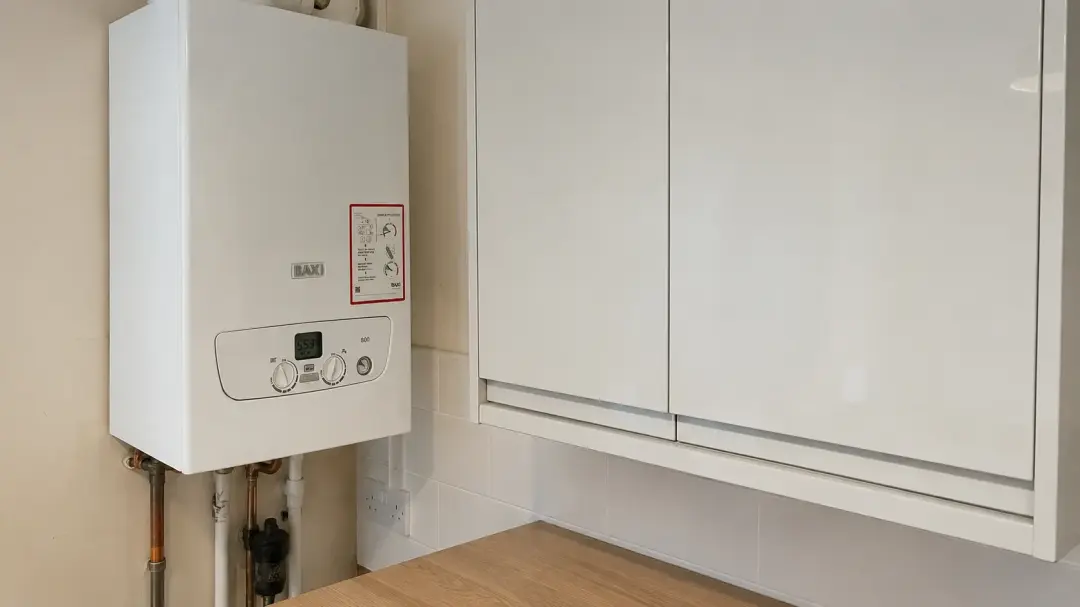
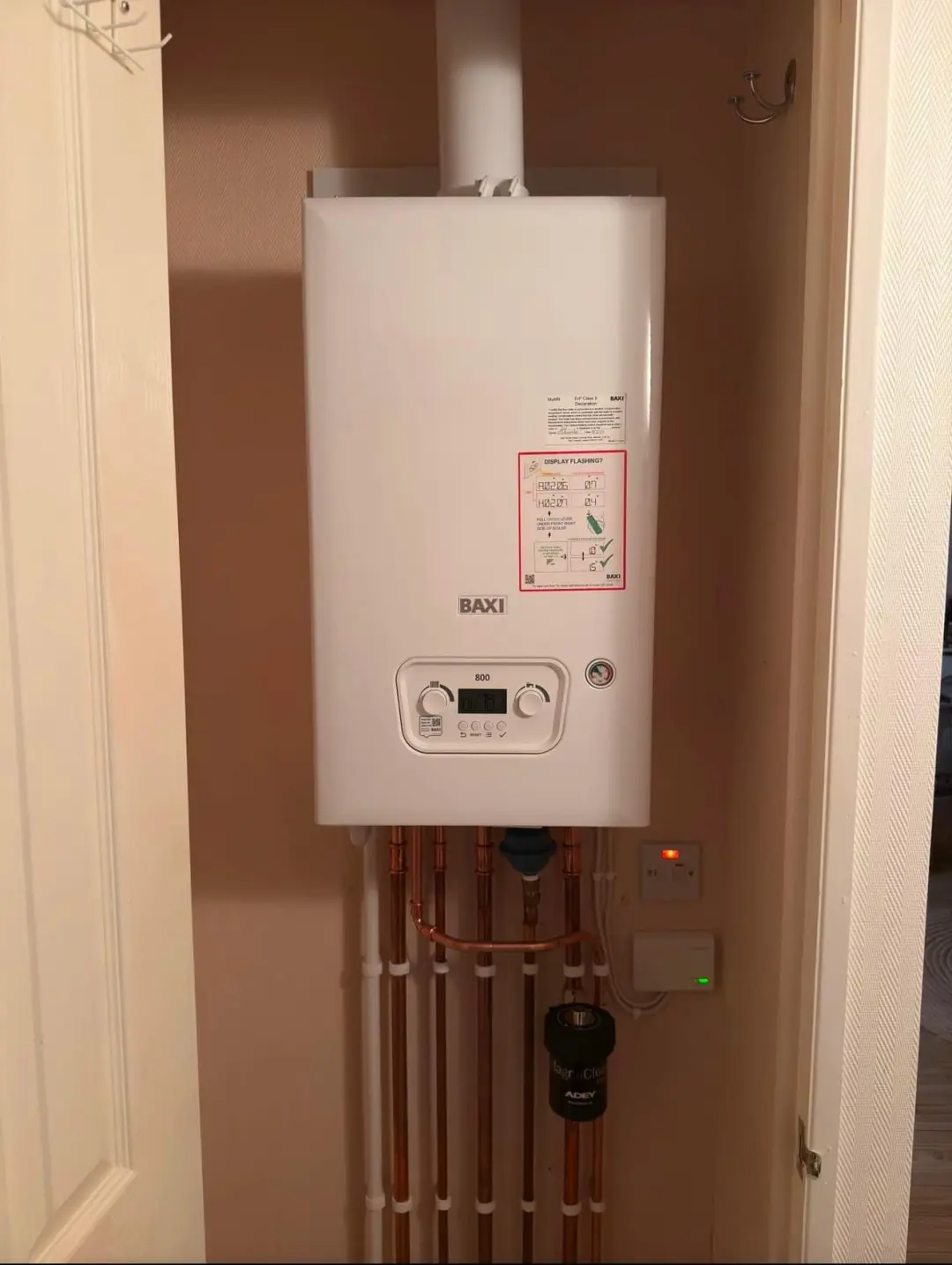
A combi heats domestic water as you draw it, avoiding a separate hot-water cylinder. It can be a sensible option where cupboard space matters and the household is happy to stagger demanding outlets. Energy Saving Trust identifies higher simultaneous demand and low mains pressure as important limitations to consider.
Ask what happens when somebody opens a second tap during a shower and whether the chosen shower valve is suitable. Also check bath-filling expectations: a system that supplies a comfortable shower may still take longer than you expect to fill a deep bath. Discuss actual performance rather than a vague assurance that the boiler is large enough.
Source: Energy Saving Trust: boiler types.
There is also a difference between continuous availability and unlimited capacity. A combi can keep heating water while a suitable tap is open, but that does not mean it can satisfy any number of outlets simultaneously. Discuss whether your priority is a long single shower, several short showers close together or rapid bath filling. Those are more useful requirements than simply asking for the most powerful combi that will fit on the wall.
When Stored Hot Water Makes More Sense
A system boiler heats water held in a separate cylinder. That gives the design more scope to meet a short burst of overlapping hot-water use, provided the cylinder, pipework and supply have all been selected appropriately. Stored water is finite, so recovery time matters after a busy period.
Compare usable mixed-water delivery, reheat performance and the space needed for the cylinder and its service access. A nominal cylinder volume is not a direct count of showers. The answer changes with shower flow, duration, storage temperature and incoming cold-water temperature. Ask the installer to explain the assumptions behind the proposed capacity.
With stored water, ask what happens after the busiest period. A family may be comfortable with overlapping morning showers but need the cylinder to recover before another bath. The proposal should explain that sequence and the normal heating schedule. Also establish how a cold start differs from a cylinder that is already up to temperature. An attractive theoretical peak flow is of limited value if the routine leaves the store depleted when the next person needs it.

Consider the Next Bathroom and Heating Upgrade
If you plan an en-suite or a larger shower, disclose it now. Buying a boiler for a future project that may never happen is different from designing for work already agreed. Ask for separate recommendations for your present layout and the confirmed extension, so you can see what the extra demand changes.
Keeping space for a cylinder can also preserve options for a future heating change. Energy Saving Trust notes that most heat pumps use a hot-water cylinder. This does not mean every home should keep one, but removing it should be an informed decision rather than an incidental part of a boiler swap.
Source: Energy Saving Trust: boiler types.
Compare Installation Proposals Like for Like
Ask each quotation to identify the boiler model, hot-water performance, controls and any cylinder or supply work. Clarify what is being removed, which cupboards remain usable, and how disruption will be managed. A cheaper proposal that omits necessary supply work is difficult to compare with a complete one.
- Which outlets can operate together at the expected flow?
- What measurements support that conclusion?
- What cylinder recovery or combi delivery limits should we expect?
- Who checks the finished shower and bath performance?
The right answer should connect your routine to measured conditions. There is no universal winner based solely on bathroom count.
Make the alternatives explicit in the quotation. For example, request a combi proposal assuming showers are staggered and a stored-water proposal assuming the agreed overlap. Ask which supply improvements both options share and which costs belong only to one. This exposes the real trade-off between space, convenience and installation work. It also gives you a written basis for checking performance afterwards, without treating an illustrative flow calculation as a guarantee for your property.
Sources and Figures
Sources checked on 6 November 2026. Published statistics retain their stated reporting period; illustrative calculations are labelled in the text.
Summary
For two bathrooms, compare simultaneous demand, the measured mains supply and available cylinder space before choosing a boiler. Owl Plumbing And Heating can assess your installation options in Swansea, Llanelli and Bridgend.