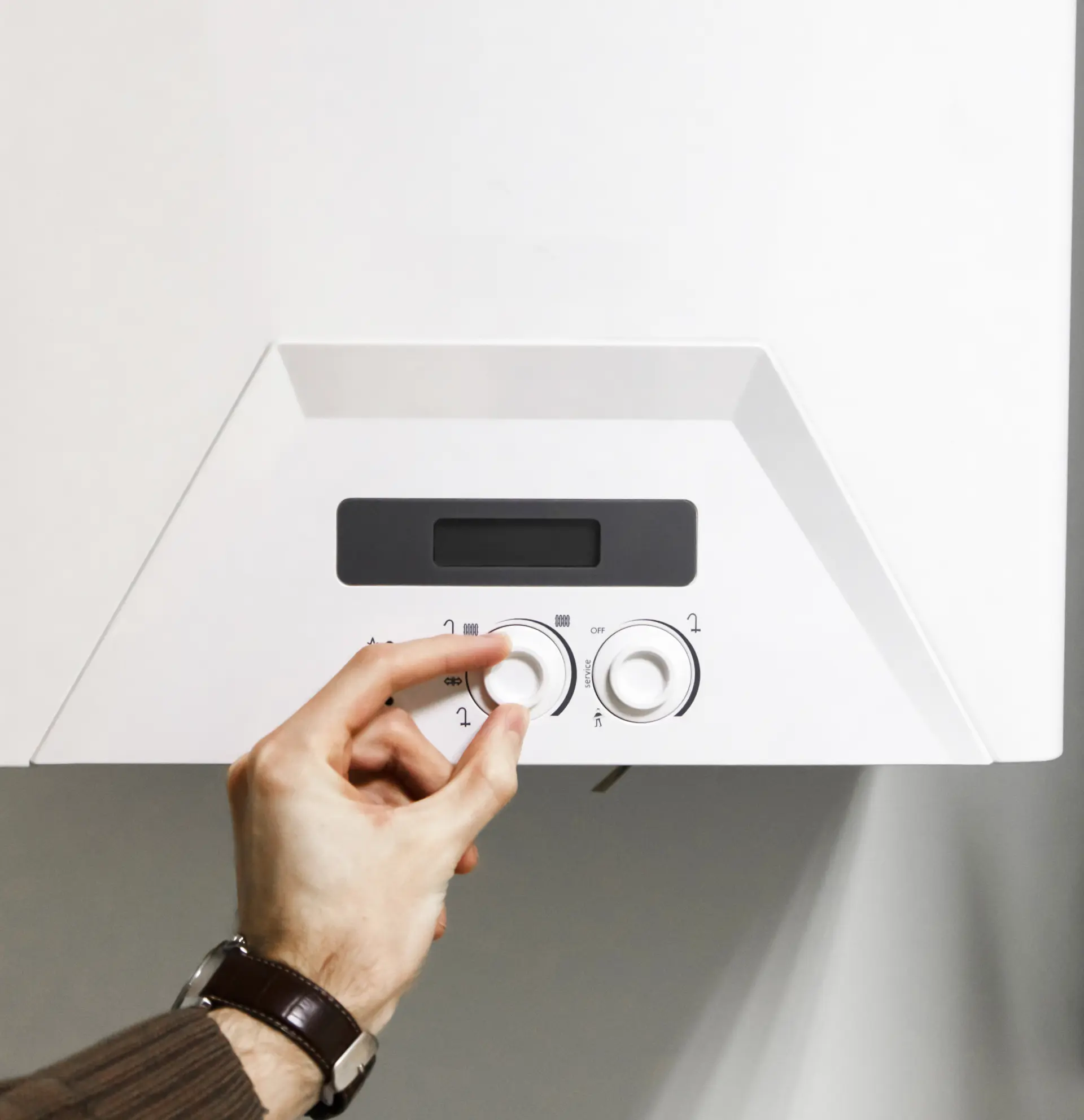
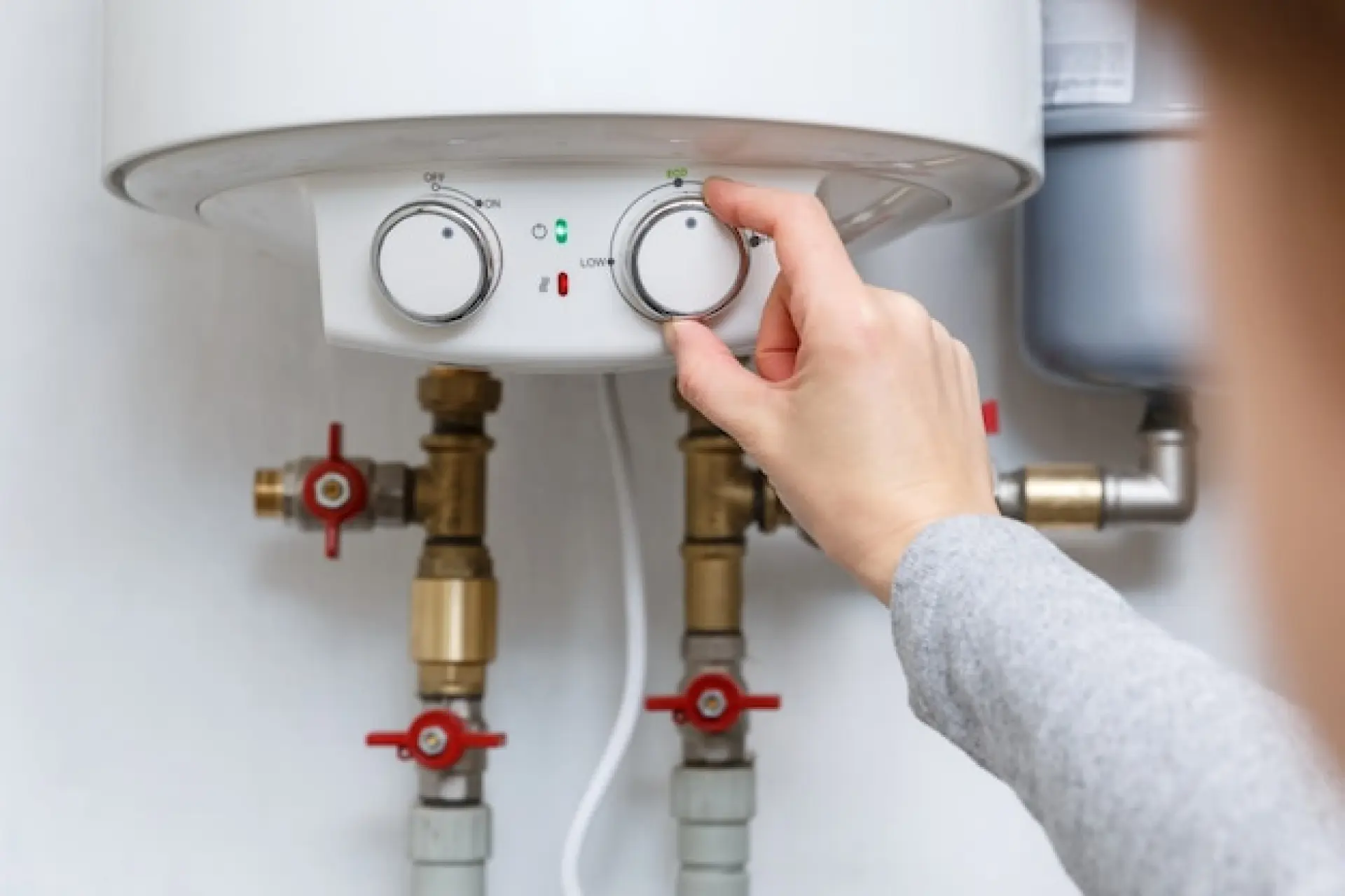
This article explains the main warning signs that your gas boiler may need replacing - from rising energy bills to leaks, strange noises, and safety concerns. It also looks at why older boilers can become less reliable, less efficient, and more expensive to repair over time.
Your Boiler Is More Than 10 to 15 Years Old
In many UK homes, older boilers can still work, but they may not work as safely, smoothly, or reliably as newer models. As a boiler ages, its components can wear down over time, issues can crop up more often, and repairs can become more and more expensive. An older boiler may also be harder to maintain since some parts can become difficult to source, especially if the model is no longer available.
A boiler's age can also have a direct effect on its efficiency. Older boilers often use more gas to produce the same level of heat, which can lead to higher energy bills. On the other hand, modern gas boilers can heat water more efficiently and waste less energy, which can help reduce your running costs.
Newer gas boilers have better heating controls, enhanced safety features, and they produce more reliable hot water. A new installation can also give homeowners peace of mind, especially during colder months when you need your heating the most.
Rising Energy Bills Without a Clear Reason
If your energy bills are rising without any clear reason, there's a chance you may need a new gas boiler. In many UK homes, the boiler is one of the main appliances that uses energy, especially during colder months. If your heating habits have stayed the same, but your gas bills keep increasing, the boiler could be using more fuel than it should.
An older or faulty boiler may have to work harder to heat your home and provide hot water. This can happen when the internal parts become worn out, since it causes the system to struggle to keep a steady temperature. You may also notice that your rooms are taking longer to warm up, your hot water is less reliable, or the boiler runs for longer than usual. These issues are all signs that your boiler is having performance issues.
Your Home Is Not Heating Properly
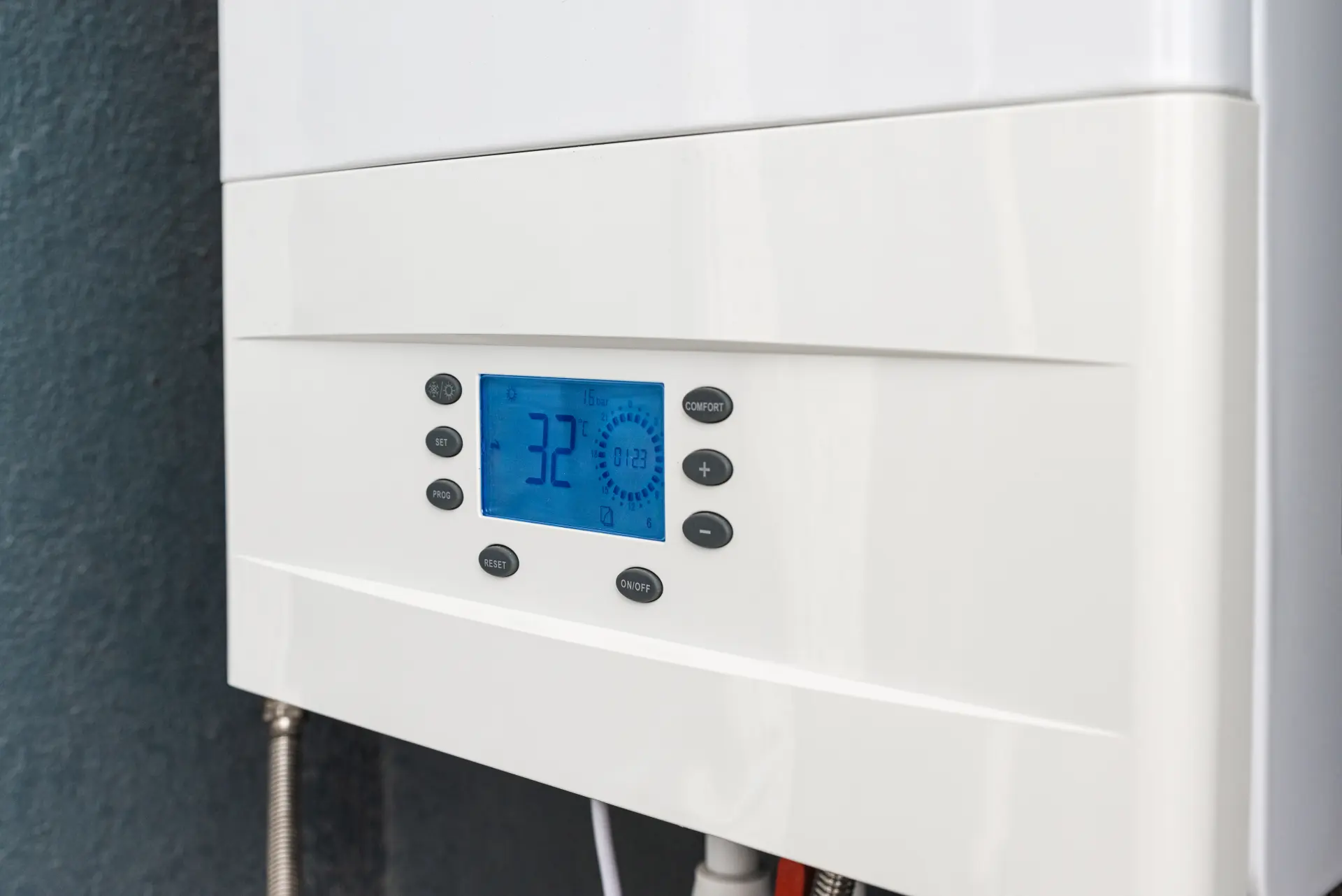
Your boiler is the key to keeping your rooms warm and having a steady supply of hot water. When it starts to struggle, the whole heating system can become less reliable.
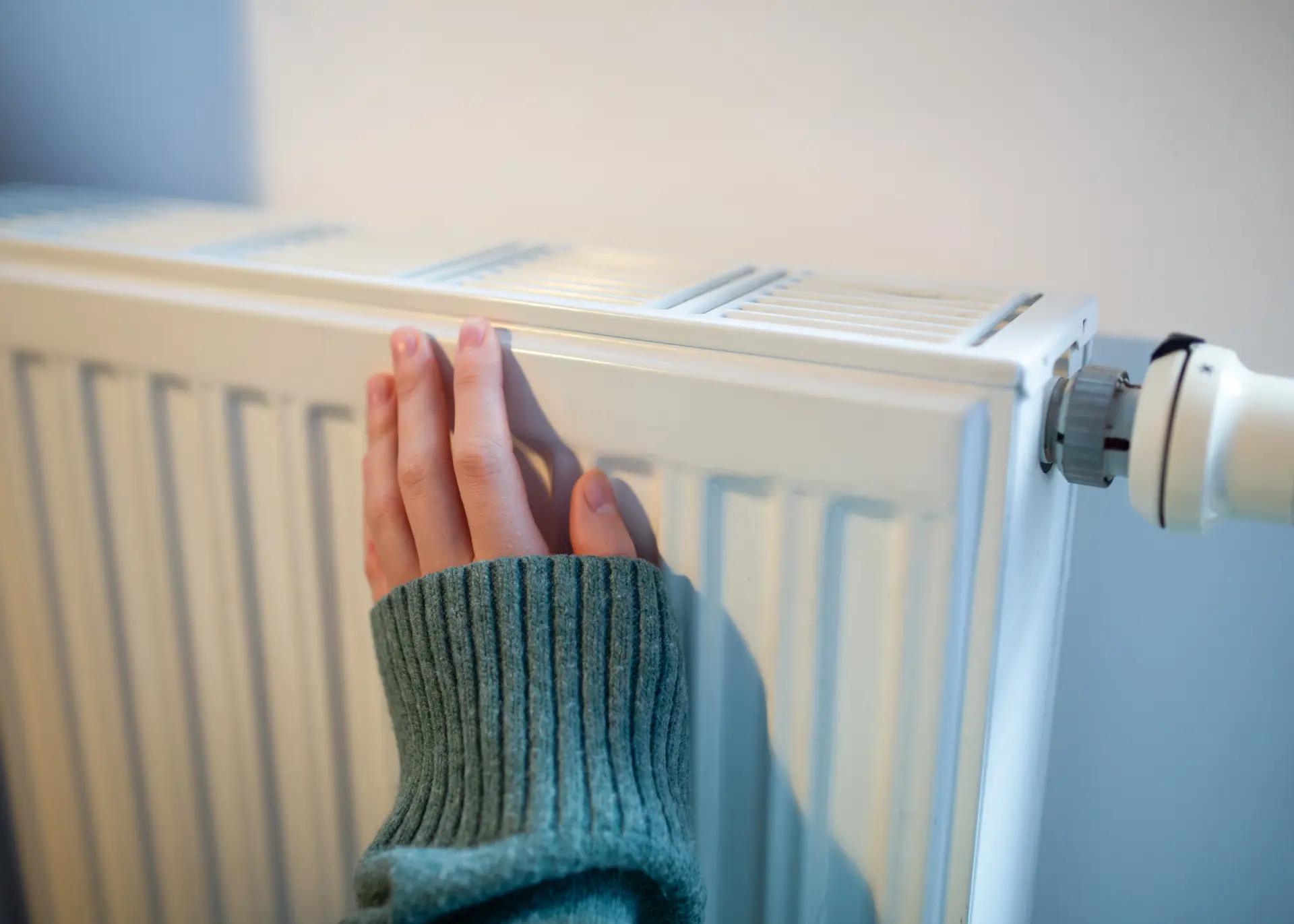
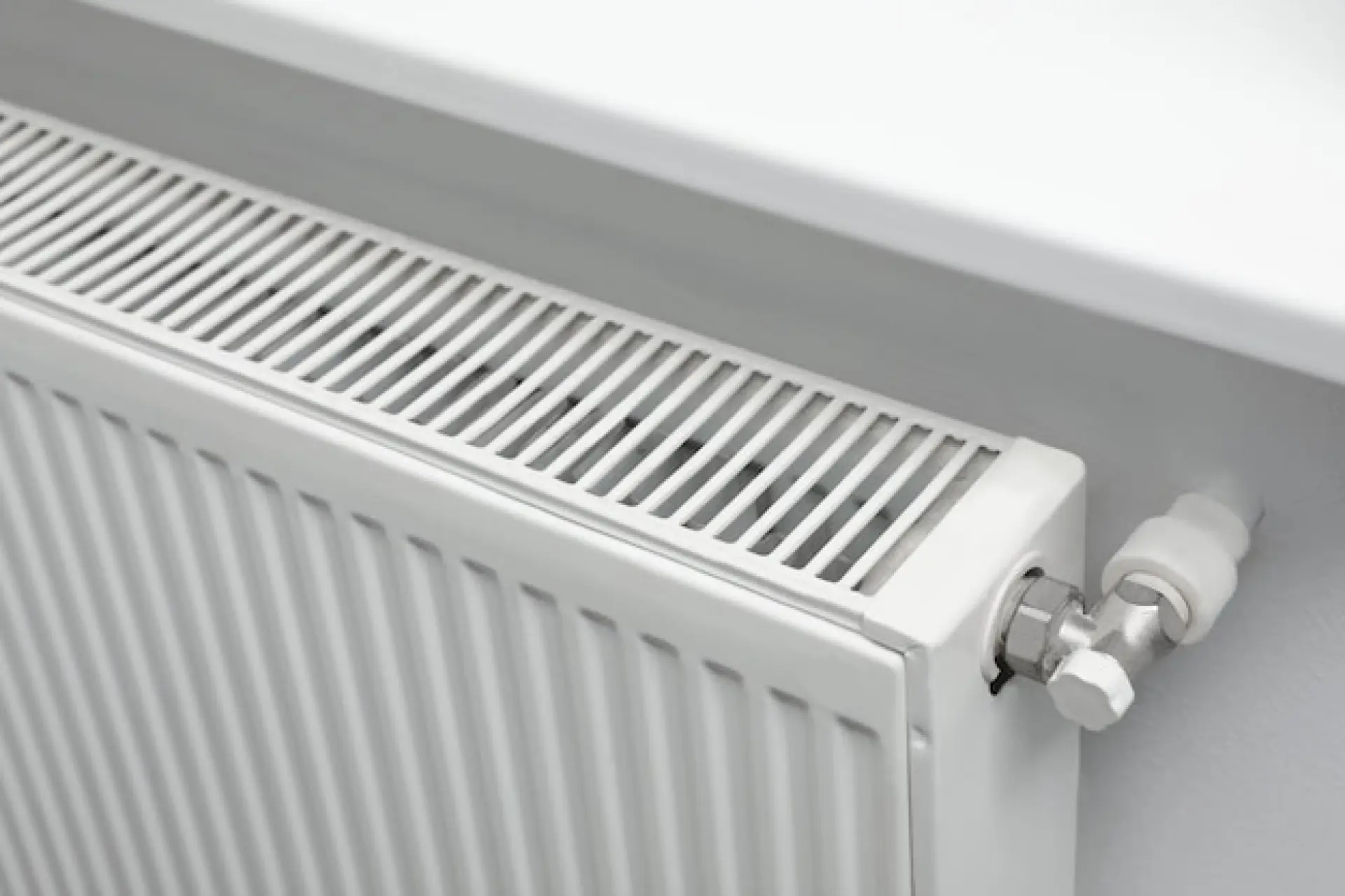
You may notice that some rooms stay cold, your radiators take a long time to heat up, or the temperature drops after the heating comes on. In some cases, the boiler may turn itself off, make unusual noises, or fail to respond to the thermostat.
When a boiler can't heat your home properly, it often has to work harder than it should. It may run for longer, use more gas, and still fail to reach the right temperature.
This can lead to wasted energy and higher heating bills. A new gas boiler can help your heating system work more efficiently, reduce the rate of wasted fuel, and make your home feel warmer and more comfortable.
Frequent Breakdowns and Repair Costs
Frequent breakdowns and repairs can be a clear sign that it's time for a new gas boiler installation. If the same problems keep coming back, or new faults are beginning to appear, it's a sign that the boiler may no longer be reliable.
An older or worn-out boiler can have issues with the pump, fan, heat exchanger, thermostat, or valves. While a single repair service can be worthwhile, repeated callouts can quickly become expensive.
A new gas boiler can help solve these repeated problems by replacing your old system with a new, modern one. New boilers are designed to work smoothly, provide steady heating, and deliver hot water when you need it. A new installation can also reduce the need for regular repair visits, which can help you avoid ongoing repair costs.
Strange Noises Coming From the Boiler
Strange noises coming from the boiler can be a warning sign that it's time for a new gas boiler. When a boiler runs, it should only produce low or steady sounds. If it starts making banging, whistling, gurgling, humming, or clunking noises, there may be a problem with the inside of the boiler. These noises can be caused by worn-out parts, trapped air, low water pressure, sludge, or a failing pump.
A banging sound can sometimes mean that water is overheating inside the boiler, while gurgling sounds may suggest that air is trapped in the system, or there's a blockage. In some cases, the issue may be repairable. However, if the boiler is old, noisy or breaking down often, a repair service may only act as a short-term fix. In this case, replacing the boiler entirely can be a safer and more reliable choice.
Leaks or Drips Around the Unit
Leaks or drips around the boiler can be a serious sign that it's time for a new gas boiler installation. Even a small drip shouldn't be ignored, since it can mean there are worn-out parts, pressure problems, corrosion, or damage inside the boiler. A leaking boiler can affect both your safety and comfort. Water around the unit can damage nearby walls, flooring, cupboards, or electrical parts, and it can also lead to boiler pressure issues, which can stop your heating and hot water from working properly. If the leak keeps coming back after repairs, it may mean the boiler is no longer in good condition and needs to be replaced.
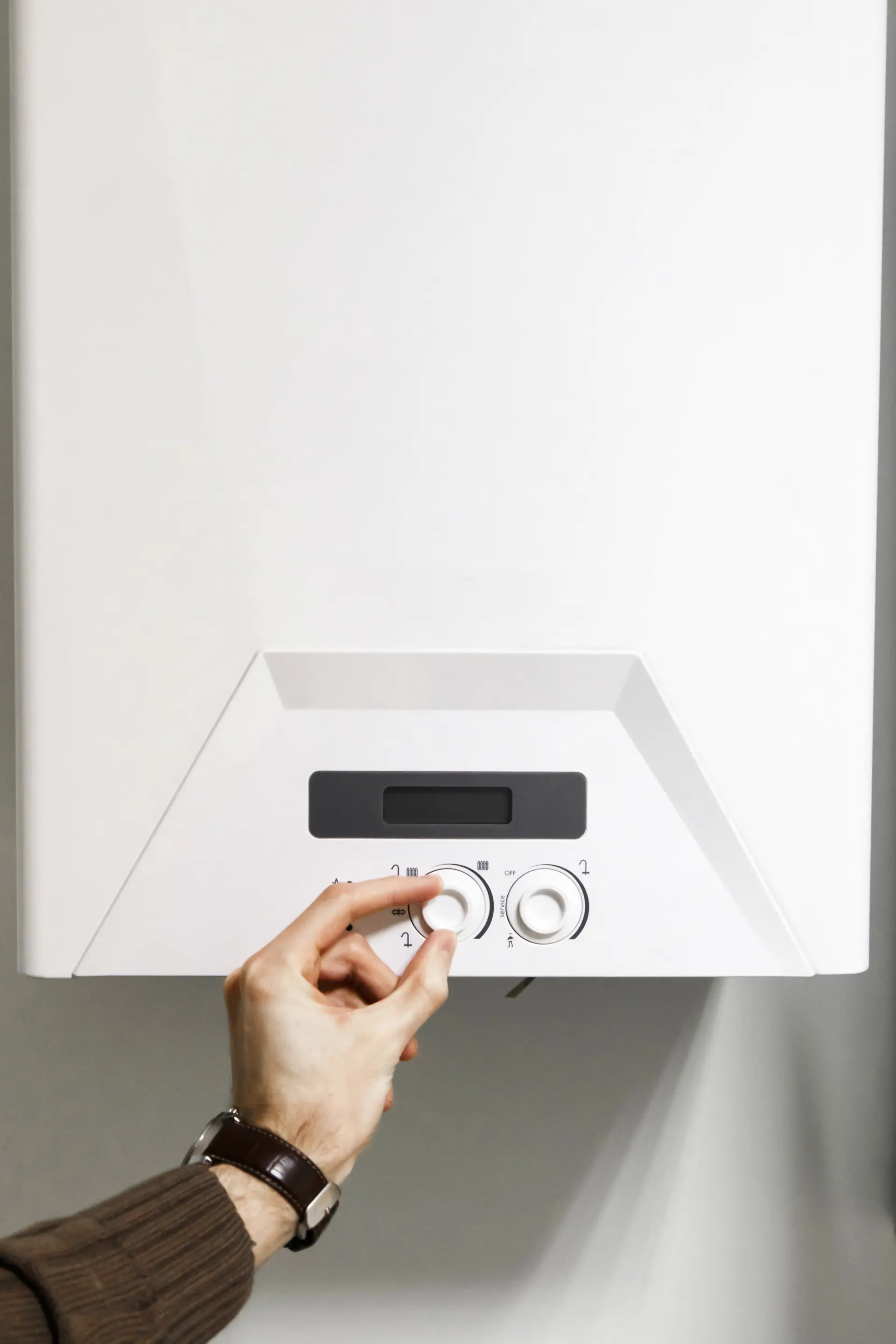
Uneven Hot Water or Poor Water Pressure
Uneven hot water or poor water pressure can be a clear sign that it's time for you to replace your old boiler. When the water temperature keeps changing, or the water flow becomes weak, it's a clear sign that your boiler isn't working as it should.
You may notice hot water turning cold during a shower, taps taking longer to warm up, or your water pressure dropping when more than one outlet is used.
These issues can be frustrating, especially in busy households where hot water is needed throughout the day. While some problems may be linked to old pipework or water supply issues, they can also be a sign that your boiler is worn out, blocked, or unable to meet your home's demands.
Parts Are Becoming Hard to Find
Repair parts that are becoming harder and harder to find or source can be a strong sign that it's time for a new gas boiler. Many older boilers in the UK are no longer available, which means that manufacturers may stop producing certain parts.
When this happens, even a small fault can become difficult, slow, and costly to repair. If your engineer struggles to find the right parts for your boiler, it may mean the system is outdated.
Common parts such as valves, fans, pumps, seals, or control boards can become limited over time, which can lead to longer waiting times, higher repair costs, and repeated problems if only second-hand or less suitable parts are available.
A lack of spare parts can also affect the reliability of your heating and hot water as well. During winter, waiting days or weeks for a repair can leave your home cold and uncomfortable, and if the parts are rare, each breakdown may become more stressful and less practical to fix.
Your Boiler No Longer Meets Your Household Needs
Your boiler no longer meeting your household's needs can be a clear sign that you need to replace it. Your heating and hot water needs can change over time, and a boiler that once worked well may start to struggle if the household has grown, extra bathrooms have been added, or your daily hot water use has increased.
You may notice that the hot water runs out too quickly, the shower temperature changes, or the heating takes too long to warm up the home. An older or undersized boiler may not have the power or capacity to meet your demands, and even if it still works, it may be working harder than it should, which can lead to higher running costs and potential damage.
Poor Energy Efficiency Ratings
The boiler is one of the biggest consumers of your home's energy, especially during autumn and winter. If your boiler has a low efficiency rating, it may be using more gas than necessary to heat your home and provide hot water.
Older boilers often have lower ratings because they were built to accommodate older standards. This can mean the boiler has to run for longer to reach the right level of warmth that homes need nowadays. Over time, this can lead to higher energy bills, put more strain on the system, and result in less reliable heating.
A poor rating can also be a sign that the boiler is no longer suitable for the needs of the home. If your boiler also needs regular repairs, suffers from uneven heating, or is prone to slow hot water, replacing your boiler may be the better option. A new boiler can heat water more effectively, respond better to heating controls, and keep your rooms at a steadier temperature.
Yellow Flame or Other Safety Warning Signs
A yellow flame or other safety warning signs are a serious sign that you need to replace your boiler. In a healthy gas boiler, the flame should usually burn blue; therefore, a yellow, orange, or weak flame can suggest that the gas isn't burning correctly. This issue can be linked to poor ventilation, dirt inside the burner, or a fault within the boiler.
Safety warning signs should also never be ignored. These signs can include soot marks around the boiler, a strange smell, the pilot light going out, or the boiler turning off without a clear reason.
You may also notice headaches, dizziness, or feeling unwell when the boiler is running. These symptoms can point to a carbon monoxide risk, which must be treated as an emergency.
If you have any concerns about your gas safety, turn the boiler off immediately, ventilate the area and contact a Gas Safe registered engineer.
When a New Gas Boiler Installation Makes More Sense Than Repairs
When a new gas boiler installation makes more sense than a repair service, it's often a clear sign that your current boiler is reaching the end of its lifespan. In many homes, small boiler repairs can be worthwhile, especially if the unit is fairly new and the fault is simple. However, when repairs become frequent, expensive, or only act as a short-term fix, replacing the boiler may be the better option.
At Owl Plumbing And Heating, we help homeowners keep their heating and hot water systems safe, reliable, and efficient. We can replace your old boilers, install new gas systems, and advise you on the most suitable boiler options for your home. Get in touch for boiler installations in Swansea, Llanelli, Bridgend.